OASIS: Open Assessment and Scoring Infrastructure Stack
Rubric-based multimodal assessment using large language models

An AI oasis in the desert of manual grading.
OASIS grades video, audio, and text with evaluator-defined rubrics and your choice of hosted or self-hosted language model. It plans each run around the material involved, records how every score was produced, and keeps people in control from rubric setup through final review.
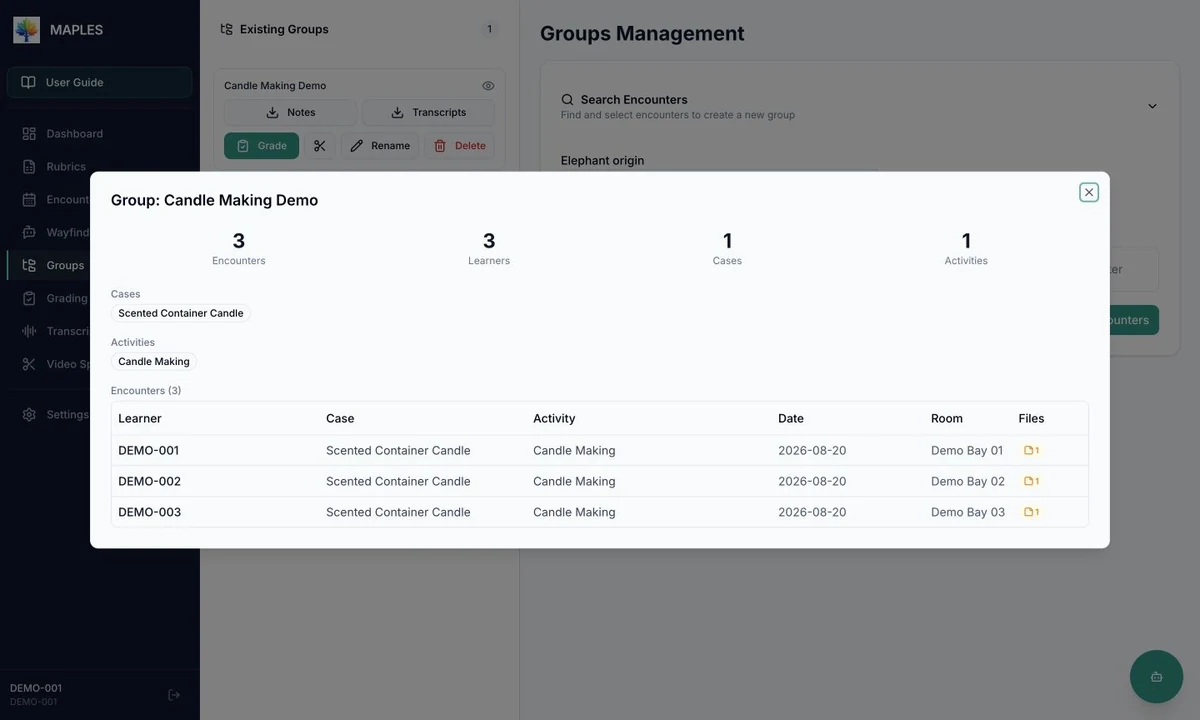
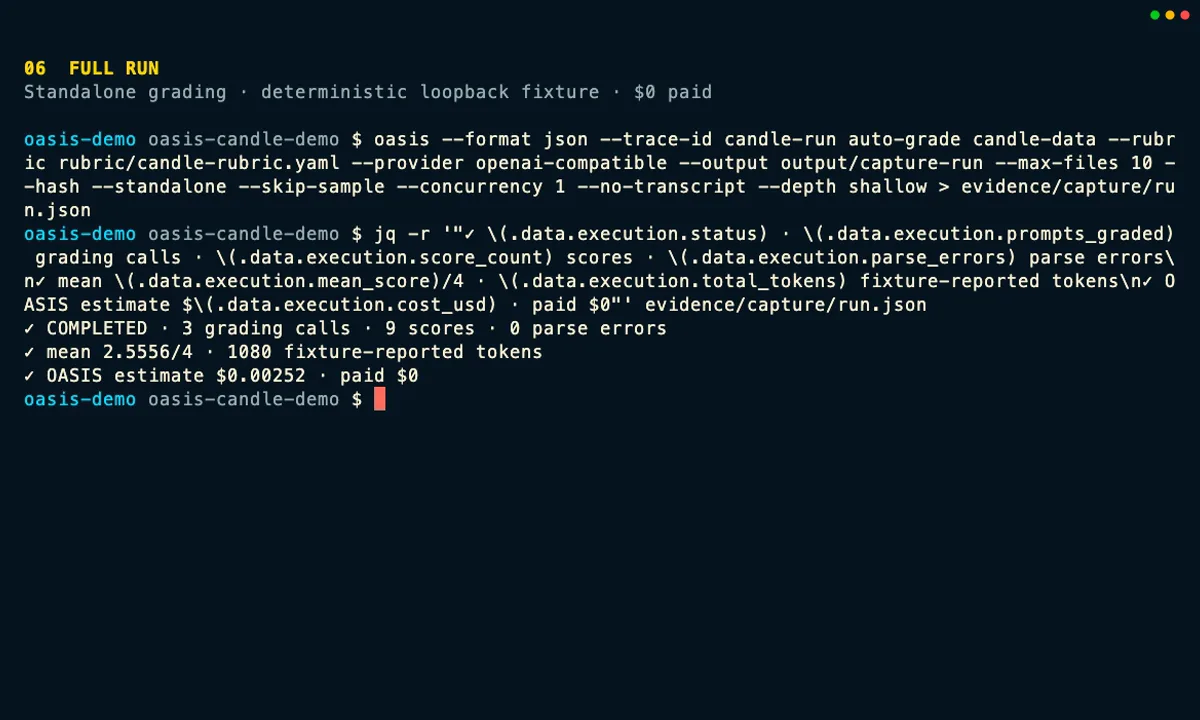
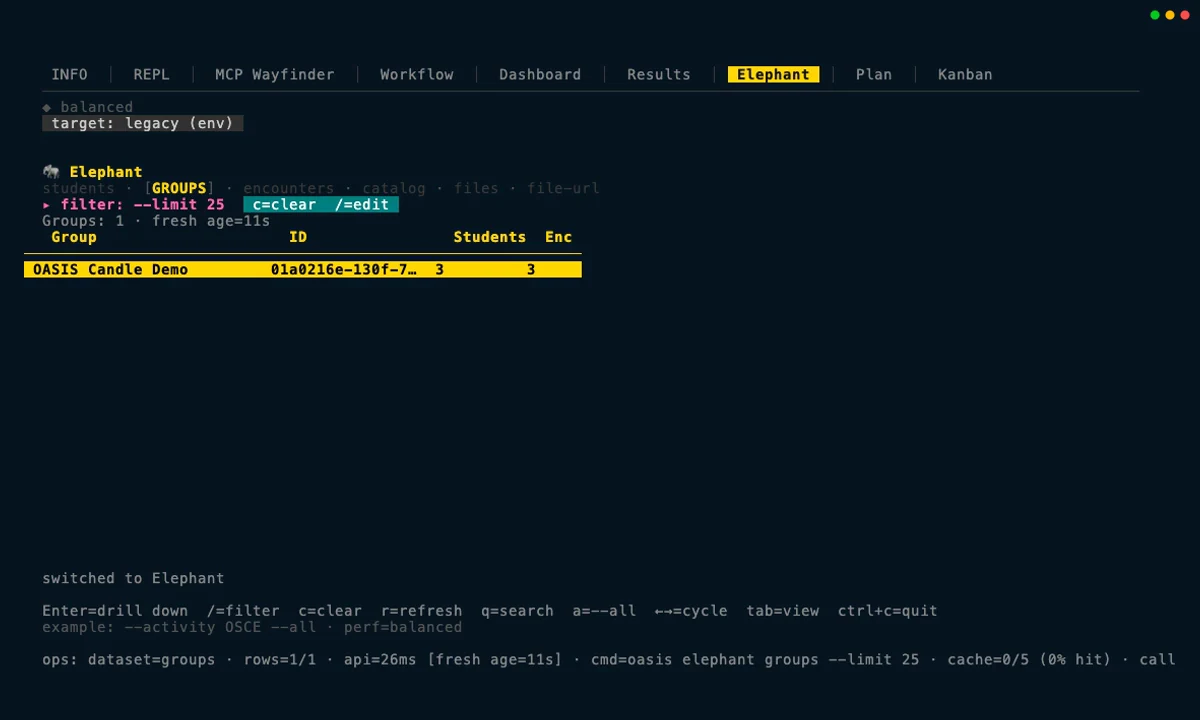
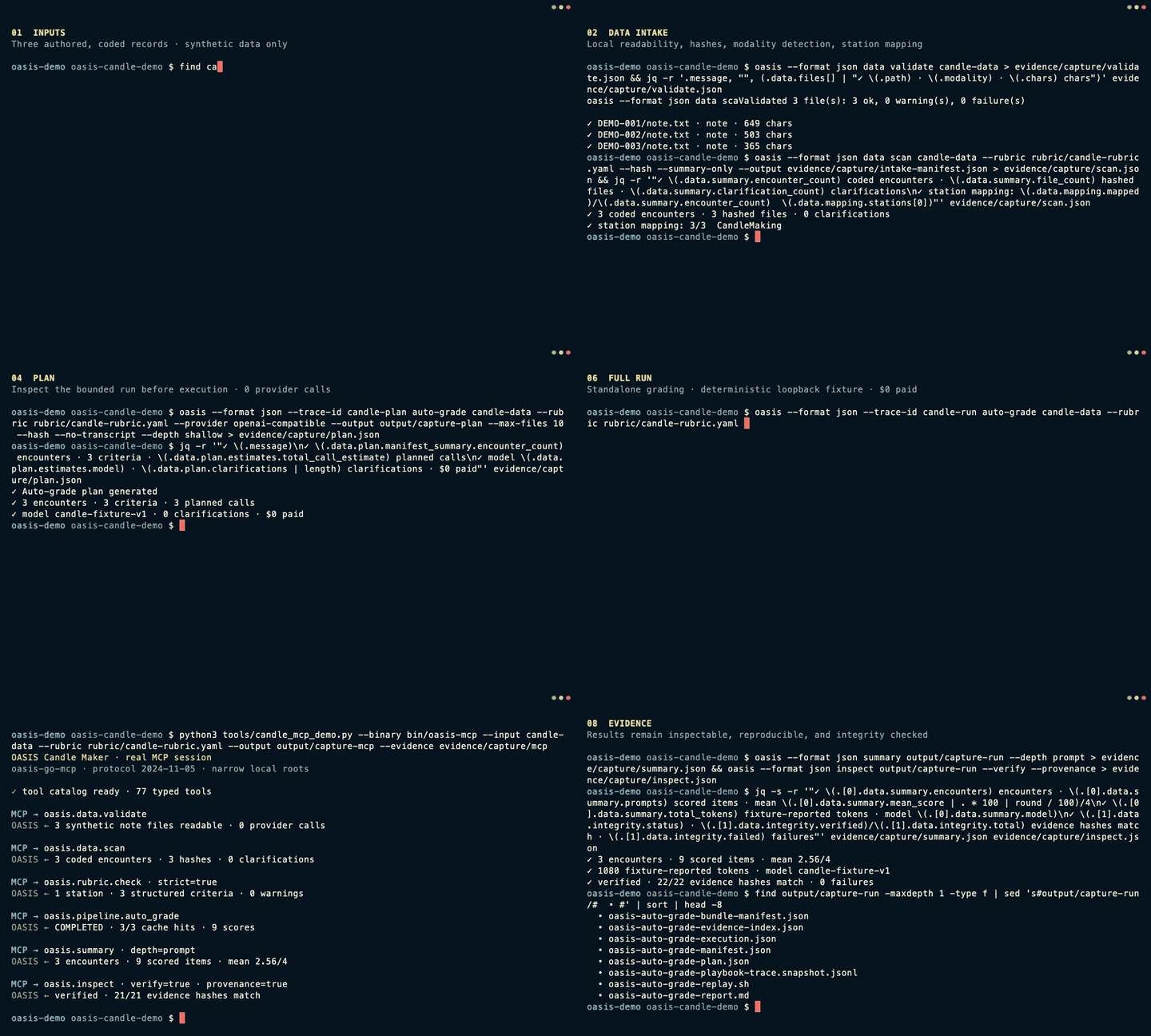
See OASIS in action

New interactive guide
Improve a rubric, one decision at a time
Watch an intentionally vague bicycle brake-adjustment rubric evolve from v1 to v3. Prepared Rubric Maker-style feedback leads to a human-selected v2; a synthetic dry run exposes one more scoring problem; and that feedback produces a focused v3 candidate. Every source and version stays visible. It is an illustrative click-through—not a recorded Rubric Maker or grading run.
Technical report
For readers who want the details, the report explains the architecture, how rubrics become model prompts, how each media type is graded, how the command-line and agent interfaces work, and how OASIS records evidence.
Publication scope
This publication includes project information, interactive guides, recorded demonstrations, and the technical report. Each experience explains what data it uses and whether anything was connected live. It does not yet include application source code, binaries, installation packages, sample datasets, or a tagged software release; any future release will state exactly what it contains and which terms apply.